
In his latest post, David Stevenson describes how Helix customer Array Technologies re-architected its PDF rendering, resulting in improved performance, scalability and the expansion into a new market.
High-speed inkjet printing demands more than fast rendering – it requires predictable, real-time performance. For Array Technologies, meeting this requirement in its transactional printing systems meant rethinking the way PDFs were processed.
Traditional CPU-based rendering struggled with high-resolution, color-rich content under continuous load. Even small delays could disrupt printhead timing, waste materials, and reduce throughput. Scaling CPUs alone was costly and failed to guarantee deterministic performance.
The solution came with GPU-native rendering through Apex, integrated directly with the existing Mako Core™ SDK. Compute-heavy tasks like rasterization, compositing, and color processing moved to the GPU, freeing CPUs for control and I/O tasks. This approach reduced render times by over 50%, stabilized latency under load, and allowed predictable, continuous-feed printing.
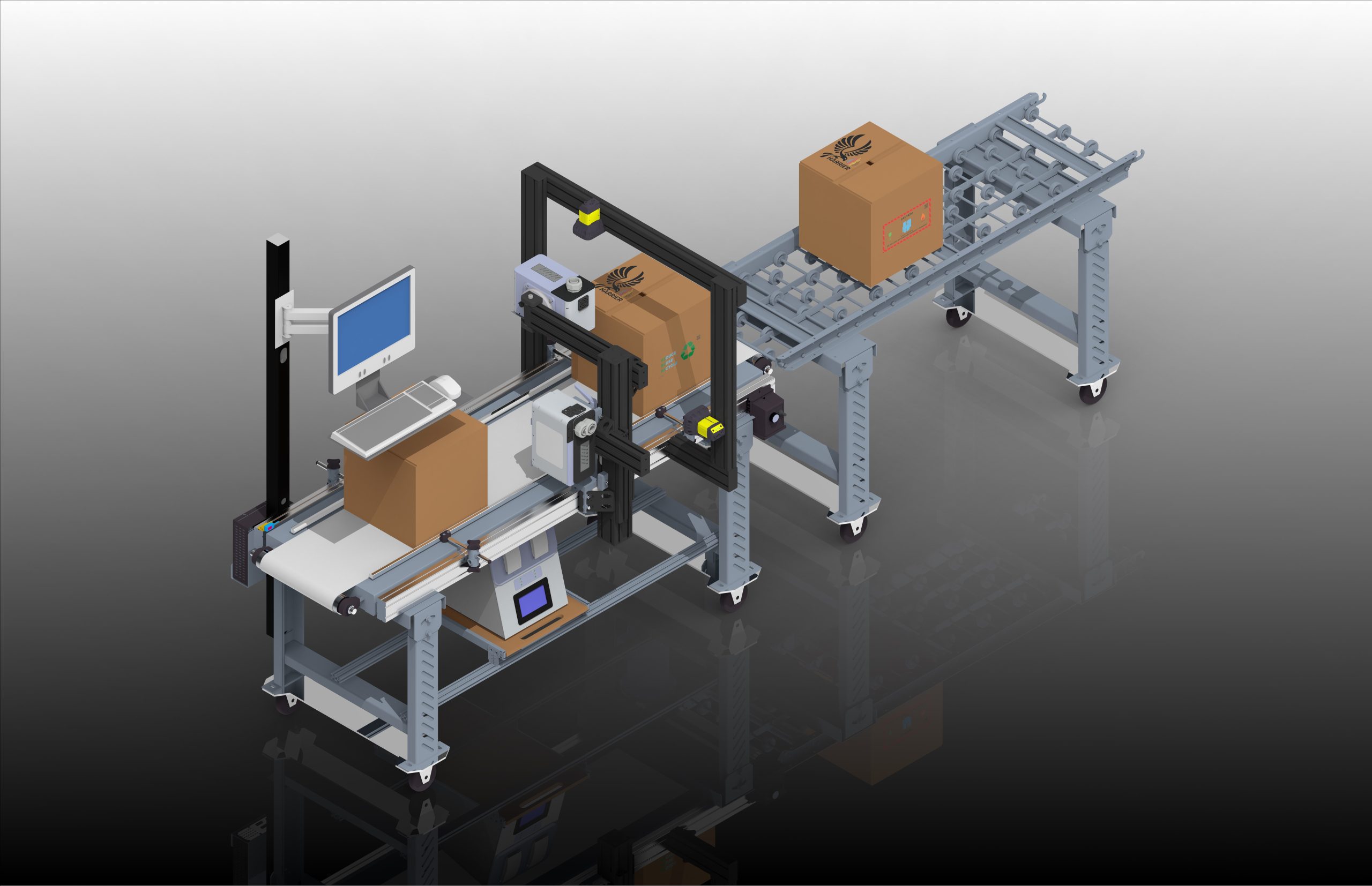
With the rendering bottleneck removed, Array also saw an opportunity to expand into a completely new application – direct-to-box printing. The platform now handles larger print areas, denser colors, and mixed content types at high speeds, while supporting scalable configurations from narrow to wide print swaths.
Key takeaways for OEMs:
- Treat rendering as a real-time component, not a background process.
- Match workloads to hardware architecture – GPU acceleration often fits parallel PDF tasks better than CPU scaling.
- Decouple rendering from control logic to improve stability and utilization.
- Optimize for latency consistency, not just peak speed.
- Build a scalable architecture to enable future applications without redesign.
Array’s shift from CPU-bound rendering to a GPU-native model turned a critical bottleneck into a system enabler. Deterministic throughput, improved system balance, and scalable design now set the stage for future-ready industrial print platforms.
To find out more about Array Technologies and their move to rendering on the GPU, read the case study.
About the author

David Stevenson is the product manager for the Mako Core™ SDK and responsible for the performance component in SmartDFE™, the AI-accelerated digital front end platform for high-speed, single-pass inkjet presses. With a deep expertise in electronic documents, David began his career at Xerox Corporation before spending 13 years at Adobe, where he advanced PDF technology across creative print workflows, electronic forms, and accessibility. At Helix, he continues to drive innovation in PDF solutions and page description languages (PDLs), helping shape the future of digital printing technology.
Further reading:
- See Apex Renderer in action: Multi-page performance with GPU speed
- Mako Core 8.3: Sharper rendering today, faster PDF output tomorrow
- Film: Choosing a print software development kit (SDK)
Be the first to receive our software release updates, blog posts, company and product news. Why not subscribe to our newsletter? Subscribe here